One of the oldest and most established institutions in the world...
The Cyprus Evkaf Administration is a deeply rooted institution whose origins date back to the Ottoman period. For centuries, it has undertaken roles in social solidarity, education, religious services, and cultural preservation on the island. Its foundations were laid in 1570 when the Ottoman Sultan Selim II issued a firman (imperial decree), and the Ottoman army, under the command of Lala Mustafa Pasha, conquered Cyprus. In the same year, the establishment of the first waqf by the Qadi (Kadı) of Nicosia (a local official responsible for judicial and administrative affairs during the Ottoman period) marked the beginning of the waqf tradition on the island. Through these waqfs, mosques, madrasahs (educational institutions), inns, baths, fountains, and aqueducts were built, shaping the island’s social and cultural structure.
What is a Waqf?
A waqf is the permanent endowment of property for the benefit of the community for the sake of God, according to Islamic law. Once a property is designated as waqf, it ceases to be private property: it cannot be sold, transferred, or inherited. It can only be used for the purposes stated by the founder. These waqfs aim to meet the collective needs of society across generations.
1570
Ottoman Period
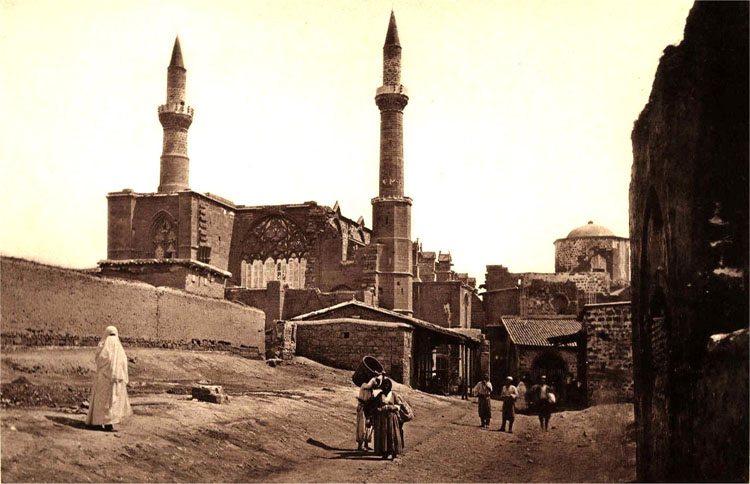
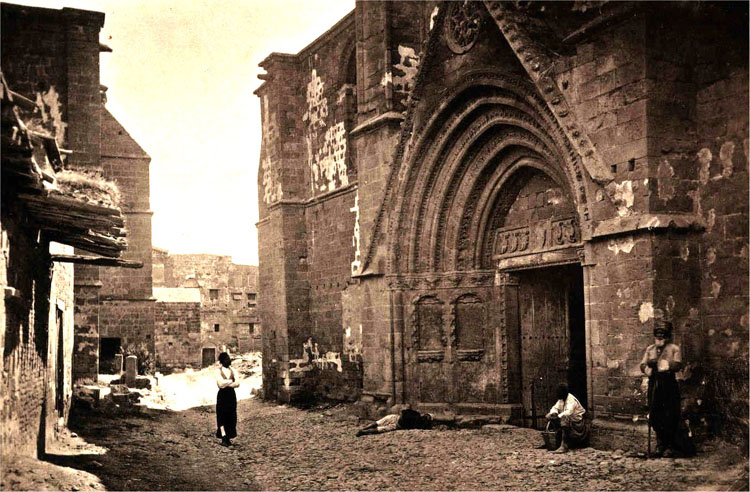
The first waqf in Cyprus was established in 1570 in the name of Ottoman Sultan Selim II. This waqf, formalized through a letter sent by Qadi Ekmel Efendi of Nicosia to the Divan-ı Hümâyun (Ottoman central administration), marked the beginning of the waqf system in Cyprus. A person named Abdülgaffar was appointed as the first trustee (mutawalli), and the madrasah established under this waqf became the island’s first educational institution. Following the conquest, the St. Sophia Cathedral was converted into the Selimiye Mosque and, through waqfs, became a religious and social hub. In various regions of the island, structures such as mosques, madrasahs, fountains, aqueducts, and bridges were built through the waqf system. People from all segments of society contributed to the establishment of waqfs: palace officials, soldiers, common people, women, and non-Muslims also founded waqfs for the benefit of society. This demonstrates how the Ottoman waqf system valued broad community participation.
Notable Ottoman Waqfs in Cyprus
Some of the prominent waqfs established during the Ottoman era in Cyprus include:
-
Lala Mustafa Pasha Waqf
One of the largest on the island, involved in education, mosque construction, social aid, and infrastructure.
-
Sultan Selim II Waqf
Covered numerous properties in Nicosia and supported mosque, madrasah, and social service projects.
-
Arap Ahmed Pasha Waqf
Provided services in Nicosia with its mosque, madrasah, marketplace, and water facilities.
-
Mevlevihane Waqf (Nicosia)
Associated with the Mevlevi order, known for its Sufi education and cultural activities.
-
Hala Sultan Waqf
Encompasses the Hala Sultan Tekke in Larnaca, which contains the tomb of Ümmü Haram bint Milhân, a prominent figure in Islamic history, making the site a religious pilgrimage center.
1878
From Ottoman to British Rule
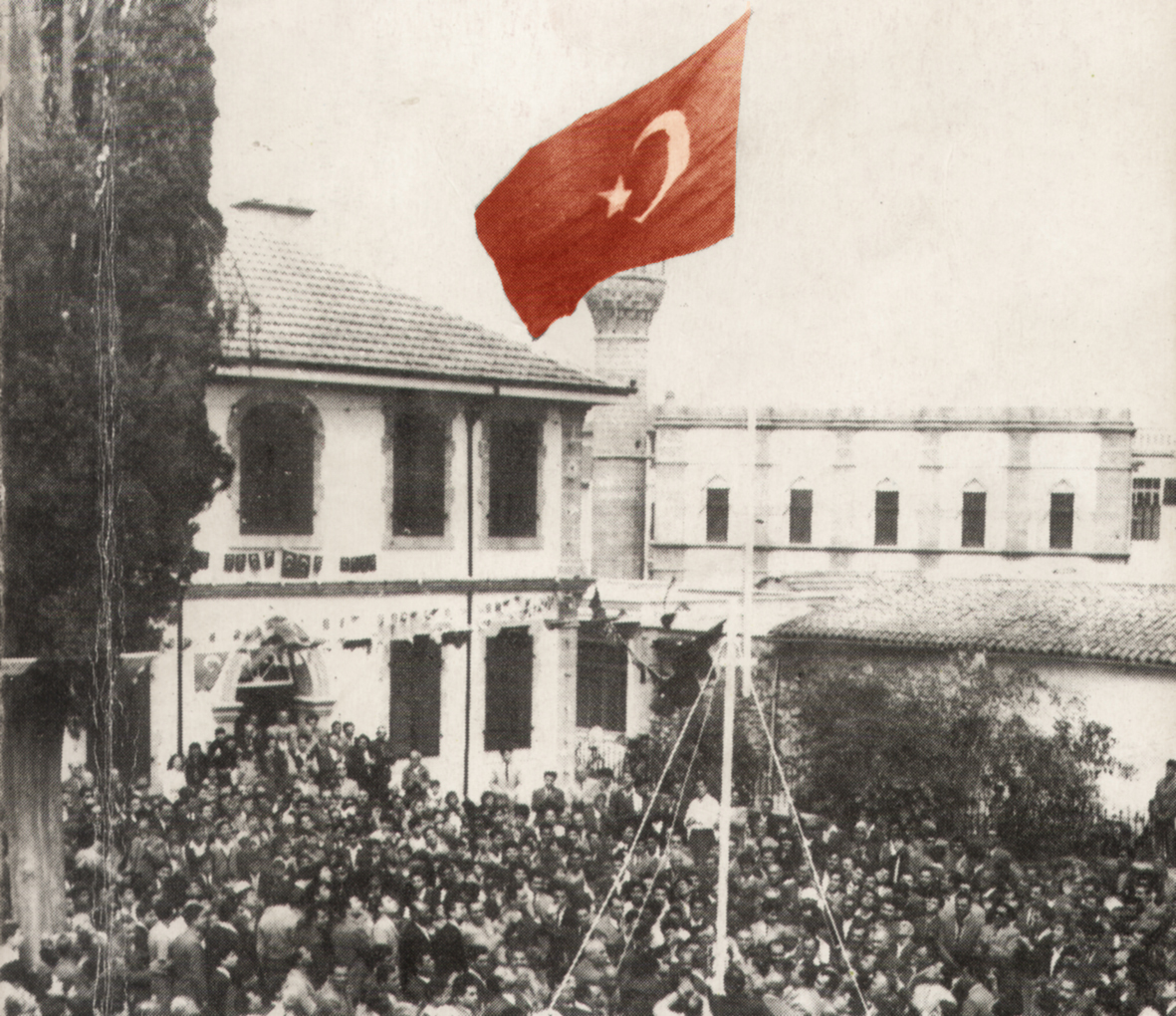
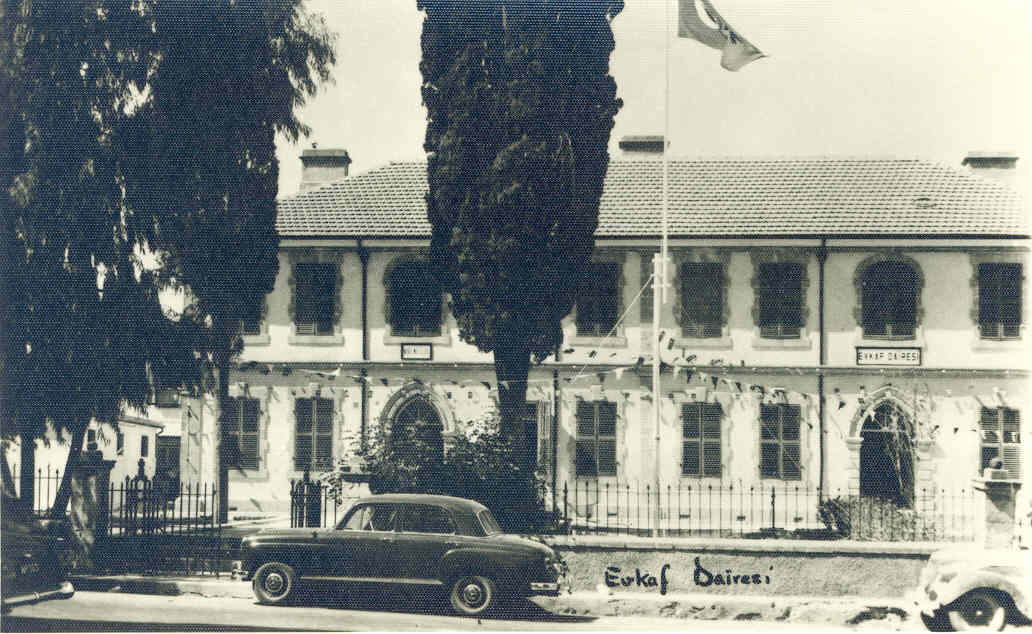
In 1878, when the administration of Cyprus was transferred to Britain, the status of properties under Ottoman-era waqfs began to change. The British administration repurposed some of these properties, diverting them from their original intent. This led to a decline in waqf revenues and the misuse of waqf assets. These developments were closely followed by the Turkish Cypriot community. Various initiatives were undertaken to protect waqf rights and to ensure that these properties were once again used in line with their original purposes. Eventually, on April 15, 1956, the administration of the Cyprus Evkaf Administration was returned to the Turkish community. Dr. Fazıl Küçük and his colleagues played a particularly significant role in this process.
1974
TRNC Era and Modernization
After the 1974 Cyprus Peace Operation (1974 Kıbrıs Barış Harekâtı) and the establishment of Turkish administration in the north of the island, waqf properties in this region continued to be managed by the Cyprus Evkaf Administration (Evkaf). In this period, the institution assumed the dual role of protecting the waqfs inherited from the Ottoman period and adapting its services to meet contemporary social needs. Today, the Cyprus Evkaf Administration operates as a non-profit public institution. It plays a vital role in preserving waqf properties, supporting education, providing social aid, and promoting cultural heritage.
Waqf Culture in Cyprus
The Cyprus Evkaf Administration considers the preservation and transmission of centuries-old waqf culture to future generations as one of its core missions. It does not merely protect historical monuments but also aims to strengthen social solidarity, promote social justice, and contribute to the cultural and economic development of the Turkish Cypriot community. Through scholarship programs, social aid, restoration projects, and cultural events, this tradition is kept alive, and the waqf philosophy continues to evolve to meet modern-day needs. Waqfs in Cyprus play important roles not only in preserving buildings but also in sustaining societal values, increasing access to education, and spreading social responsibility awareness. They are particularly active in areas such as youth education, heritage awareness initiatives, and support for disadvantaged groups.
From Tradition to the Future: The Waqf Mentality
For over 450 years, the Cyprus Evkaf Administration has remained a cornerstone of the island’s social fabric. While preserving the waqf legacy, the institution also develops new services to meet the changing needs of modern society, contributing to all segments of the population. This deep-rooted history is not only a reflection of respect for the past but also a testament to a responsibility toward the future. Drawing inspiration from the past, the Cyprus Evkaf Administration continues to contribute to public welfare through social responsibility projects, educational support, cultural events, and humanitarian aid. The waqf mentality, centered on solidarity and cooperation, remains a strong societal model today—bringing individuals and institutions together for the common good.